Most people assume that art collecting belongs to the very rich, a world of paddle auctions and seven figure paintings. It does not. Some of the most rewarding collections were built by people with ordinary salaries and sharp eyes. If you have ever wondered how to start an art collection of your own, the honest answer is that you begin small, buy what genuinely moves you, and let knowledge grow alongside the walls you fill.
Collect what you love before you collect for value
The first rule sounds simple but trips up almost everyone. Buy the piece because you want to live with it, not because someone told you it will appreciate. Markets shift, reputations rise and fall, and the only thing you can count on is that you will be looking at this work every day. Walk through galleries, scroll through online viewing rooms, visit open studios, and pay attention to what makes you stop. That instinct is the foundation of every serious collection, and it cannot be faked or bought.
Why fine art prints are the smartest place to begin
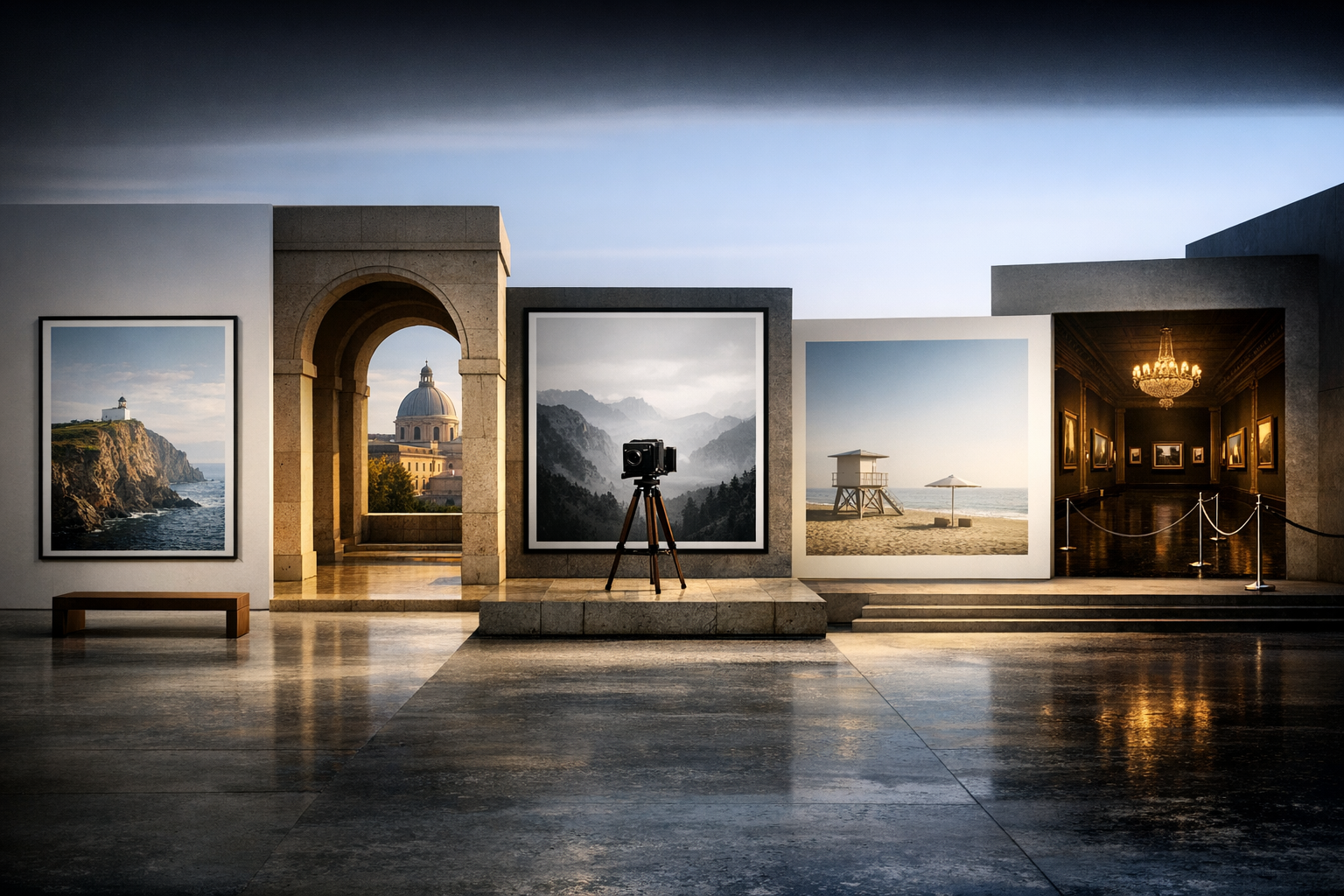
If a single original canvas costs more than your car, do not despair. Fine art prints let you own work by accomplished artists for a fraction of the price of a unique piece. A limited edition print is still made under the artist's supervision, numbered, and often signed, which gives it real standing in the market. Photography is an especially welcoming entry point, because the medium is built around editions. Fine art photography prints from emerging names can sell for the price of a nice dinner, and the best of them hold their value as the artist's reputation grows. Start there, learn how editions and provenance work, and you will be far better prepared when you eventually reach for something pricier.
Learn to read the market before you spend
Knowledge is the cheapest investment you will ever make as a collector. Follow a handful of galleries, read auction results, and notice which artists keep appearing in group shows and museum acquisitions. Auction houses publish their sale results online, and those numbers tell you far more than any sales pitch. Pay attention to context too, because taste and value are shaped by culture as much as by craft. Understanding the cultural background of a work helps you judge it fairly, and a quick read on how cultural customs differ around the world is a useful reminder that art never exists in a vacuum.
How auctions actually work for newcomers
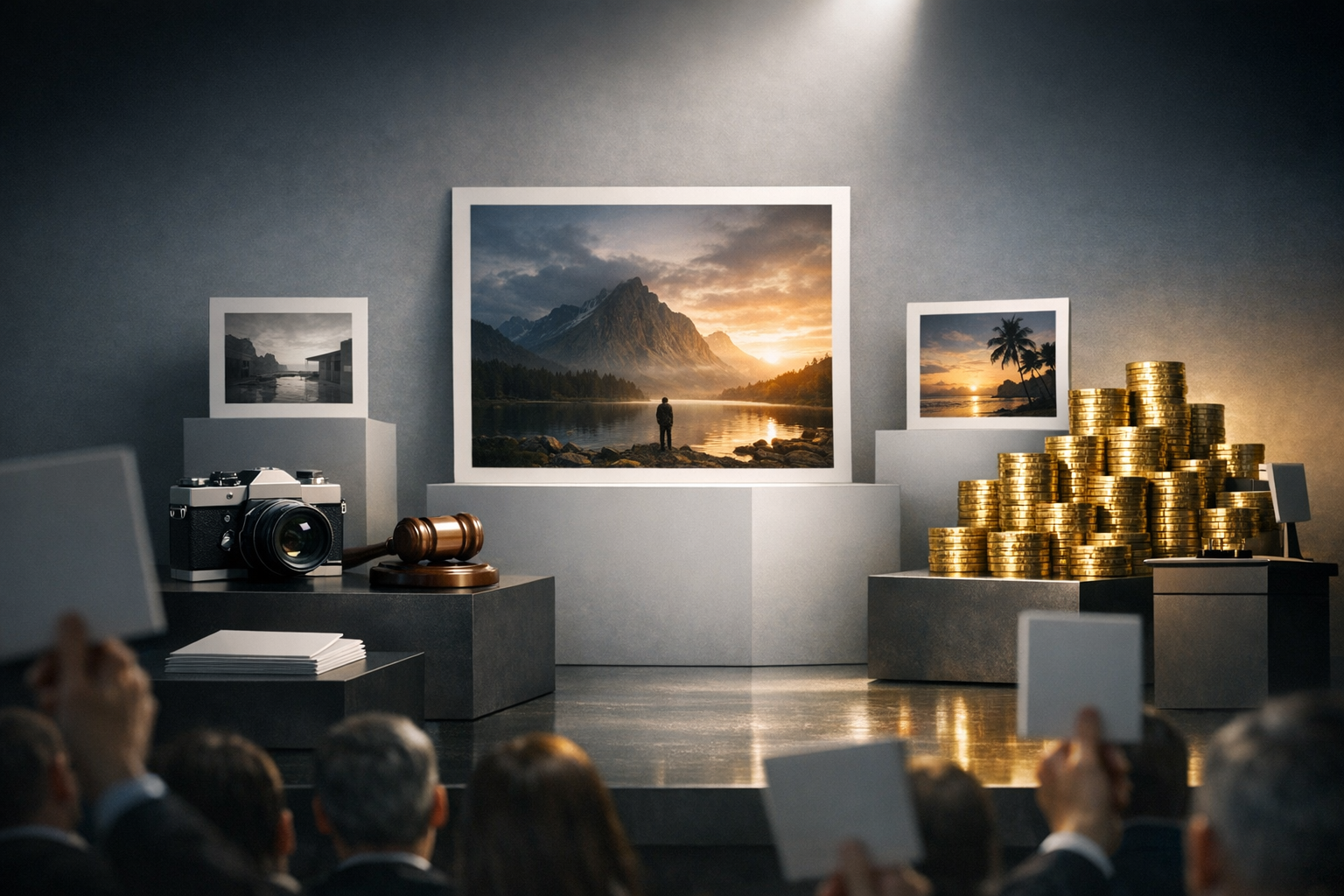
Auctions feel intimidating, but the mechanics are straightforward once you have sat through one. Register in advance, set a firm ceiling for each lot, and remember that the hammer price is not the final figure. A buyer's premium, usually a percentage on top, gets added to what you pay. Online auctions have opened this world to almost everyone, and smaller regional sales are often where bargains hide. The wider history and structure of the trade are well documented, and the overview of how art is valued is worth reading before your first paddle goes up. Go slowly, watch a few sales without bidding, and treat your early purchases as tuition.
Protect what you buy
A collection is only as good as its condition. Keep works out of direct sunlight, away from radiators and damp walls, and frame anything on paper behind UV glass with acid free mounts. Keep every receipt, certificate of authenticity and exhibition label, because that paper trail is what proves provenance years later. None of this is expensive, but neglect is. A faded print or a water stained edge can erase the value of an otherwise smart purchase in a single careless season.
Find your people
Collecting is more fun, and a great deal safer, when you are not doing it alone. Dealers, gallery staff and fellow collectors are usually happy to share what they know, and online communities have made that exchange easier than ever. Forums such as the r/Art community are full of people debating new work, spotting talent early, and warning each other away from overpriced hype. Ask questions without embarrassment. Every confident collector you admire was once a beginner standing in a gallery, unsure whether they were allowed to like something.
Start now, start small
There is no perfect moment to begin and no minimum budget that makes you a real collector. The wall in your hallway is as good a place as any to start, and a single well chosen print can teach you more than a year of reading. Buy carefully, keep good records, and let your eye sharpen with every piece. A collection is not assembled in an afternoon. It is built slowly, one honest choice at a time, and that patient accumulation is exactly what makes it yours. The collectors worth admiring are simply the ones who started, and kept going, long after the first nervous purchase.