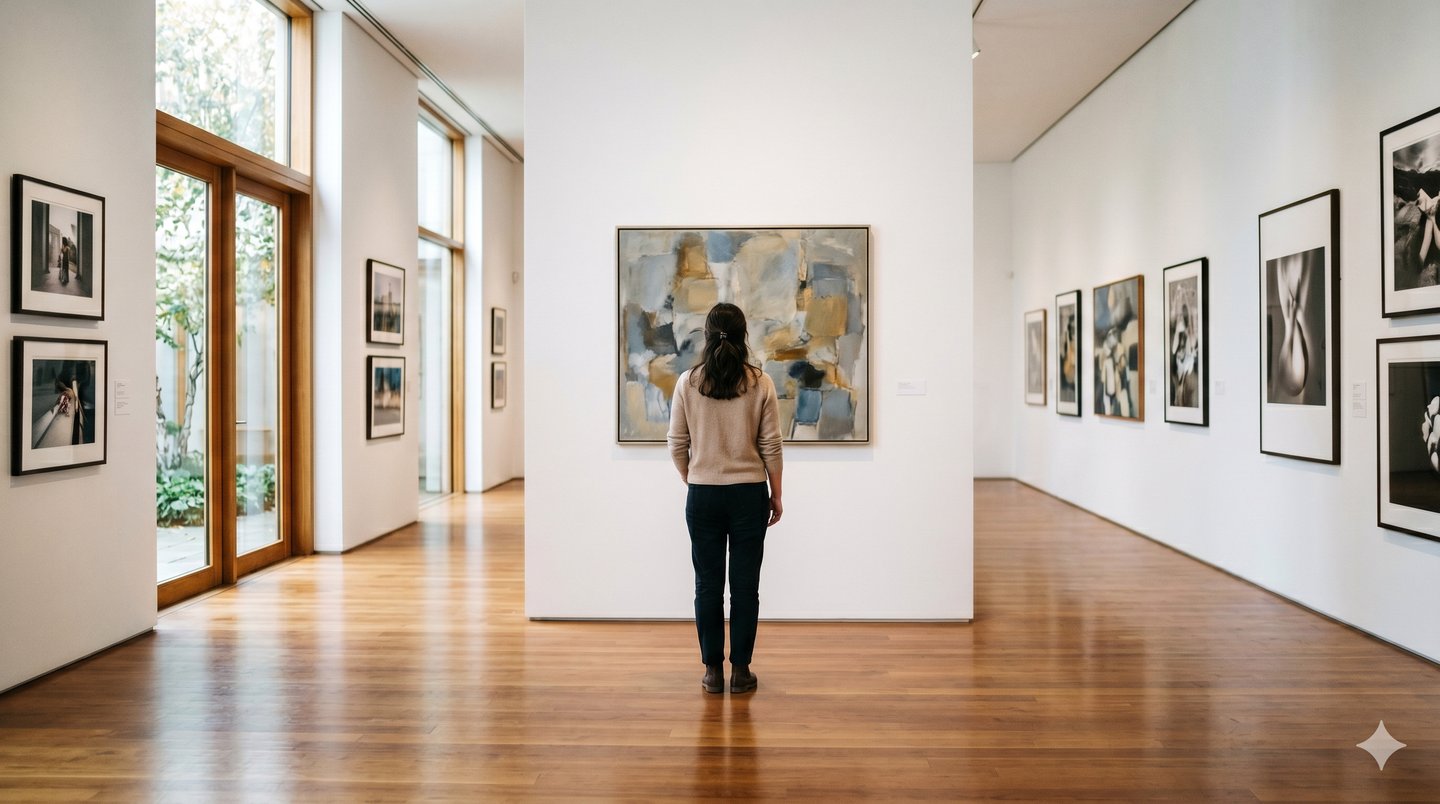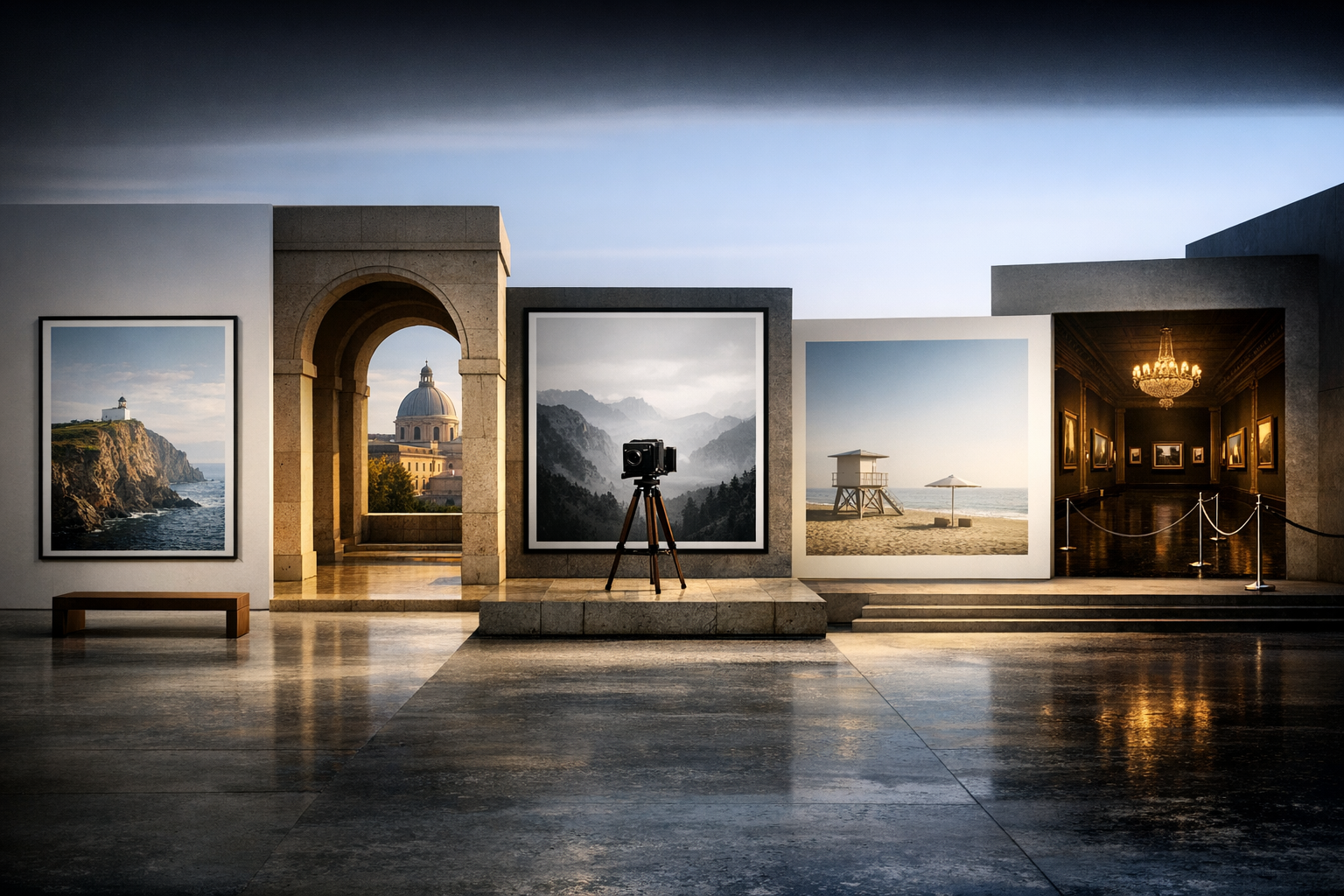
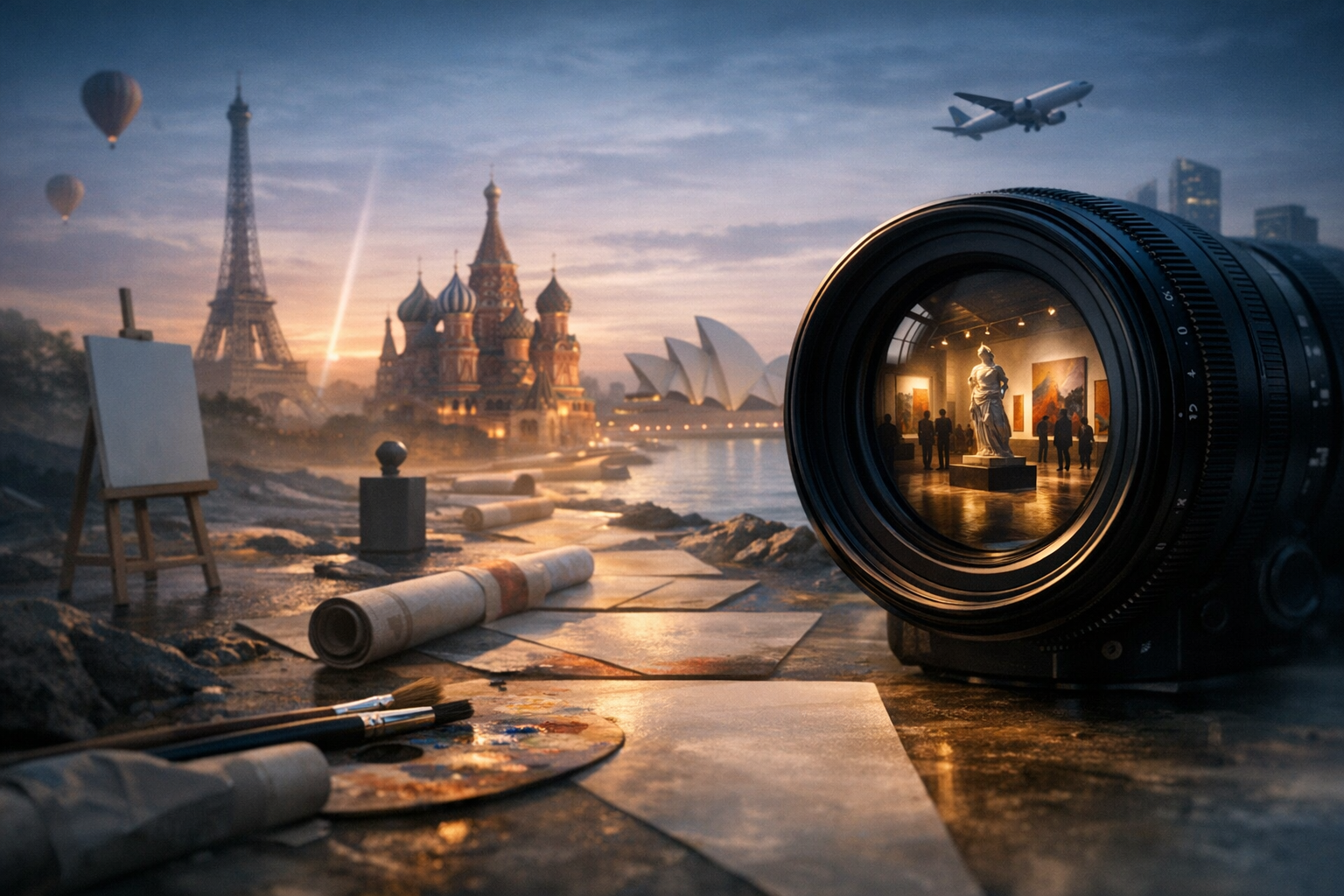
Chasing global art events through a custom camera lens profile is more than a photographer’s technical obsession; it is a strategic way to capture the soul of diverse cultures, exhibitions, and performances around the world. From neon-lit city biennials to quiet heritage galleries nestled in old towns, a fine-tuned lens profile lets you document color, contrast, and texture with extraordinary fidelity while you travel from one art capital to another.
1. Why Global Art Events Deserve a Custom Camera Lens Profile
Every art event is a mash-up of challenging lighting, vivid pigments, complex materials, and crowds. Standard camera profiles struggle with these extremes, often oversaturating colors or flattening subtle tonal transitions in sculptures, installations, and mixed media. A custom camera lens profile, tuned to your lens and shooting style, minimizes distortion, chromatic aberration, and vignetting, and ensures that the art you photograph looks as close as possible to the curator’s and artist’s intent.
2. Building Your Custom Lens Profile Before You Travel
Before you board a plane to Venice, São Paulo, Basel, or Dakar, invest time in building a tailored lens profile. Use calibration charts, shoot test scenes at multiple focal lengths and apertures, and feed the data into profiling software. This workflow lets you create a digital fingerprint that corrects your lens’s quirks in post-production. As you plan your itinerary, remember that many international events require documentation in multiple languages, especially when applying for press credentials, grants, or visas. That is where robust language support such as certified translation services becomes essential to keep your documentation recognized and compliant across borders.
3. Matching Lens Profiles to Different Types of Art Venues
No two art venues are the same, which is why one-size-fits-all presets rarely perform well. Open-air festivals demand a lens profile that handles high dynamic range scenes with harsh sunlight and deep shadows. Underground performance spaces and experimental light shows require precise color calibration to prevent clipping and color shifts. Museum retrospectives with reflective glass frames call for profiles that minimize glare and micro-contrast issues. Parallel to these technical considerations, navigating local signage, artist statements, and venue guidelines can be smoother when you rely on language specialists. For instance, if you are building a portfolio in Lisbon, Porto, Rio de Janeiro, or São Paulo, collaborating with portuguese translation services can make your contracts, captions, and artist collaborations more effective and culturally accurate.
4. Essential Gear Settings to Pair with Your Custom Profile
A custom lens profile does not operate in a vacuum; you need a coherent configuration of camera settings to leverage it fully.
- Shoot in RAW to retain maximum detail for the profile to work with, especially in low-light galleries and night projections.
- Use a consistent white balance reference, like a gray card, when entering each new venue so your profile has a reliable baseline.
- Lock in an ISO range that balances noise and dynamic range, then let your profile handle micro-corrections in post.
- Custom picture styles should be conservative; let your lens profile and RAW workflow handle the creative look later.
5. Capturing Colors and Textures of Installations Accurately
Installations often mix materials: fabric, metal, glass, digital projections, and sometimes organic elements. Each surface reacts differently to light. A deeply tuned lens profile helps you:
- Preserve subtle gradients in projections and LED-based artworks without banding.
- Maintain true-to-life hues in pigment-heavy paintings under tungsten or mixed lighting.
- Correct edge distortions that could otherwise warp straight lines in minimalist or conceptual pieces.
- Reduce color fringing that appears on high-contrast edges, such as neon tubing against dark walls.
The more precisely you document these elements, the more trust you earn from curators and artists who may later license your images or invite you to future events.
6. Creating a Consistent Visual Identity Across Countries
As you chase art events from Berlin to Buenos Aires, consistency becomes a powerful branding tool. Custom camera lens profiles allow you to maintain a signature look despite wildly different lighting, architecture, and weather conditions. Viewers scrolling through your online portfolio can instantly recognize your style: crisp but natural colors, reliable geometry, and controlled contrast. This consistency is especially valuable if you collaborate with magazines, galleries, or cultural institutions that require large series of images across multiple events and territories.
7. Optimizing Images for SEO While Preserving Artistic Integrity
Your photographs are only as visible as your search optimization. When you publish coverage of global art events, name your files and alt text intelligently: include the event, city, artist, and medium. Pair that with descriptive, keyword-rich captions that still respect the nuances of the work. A clean and accurate image, powered by your custom lens profile, will hold viewers’ attention longer, reducing bounce rates and signaling quality to search engines. High-fidelity images also encourage organic shares, backlinks, and cross-posting on institutional websites, all of which boost your SEO footprint.
8. Building Trust with Artists, Curators, and Institutions
Art professionals notice technical excellence. When your lens profiles allow you to avoid blown highlights on canvases or distorted sculptures, you demonstrate care for the work itself. That care translates into professional relationships and repeat invitations to biennials, art fairs, and residency programs. Combine visually accurate documentation with precisely translated contracts, exhibition proposals, and portfolio texts, and you present yourself as a reliable global collaborator. The result is a stronger network, more exhibition access, and a more authoritative online presence that search engines and human audiences both reward.
Turning Technical Mastery into Global Visibility
Chasing global art events through a custom camera lens profile is a holistic strategy: you are not just tweaking gear; you are crafting a consistent, credible narrative about how you see contemporary culture. Fine-tuned profiles safeguard color accuracy, depth, and geometry, ensuring that every canvas, installation, and performance you capture is represented with respect. When this visual precision is paired with professional multilingual support and a thoughtful SEO approach, your work travels as widely as the art you document. In an increasingly connected art world, that combination of technical mastery and communication savvy is what transforms a traveling photographer into a recognized global visual storyteller.